
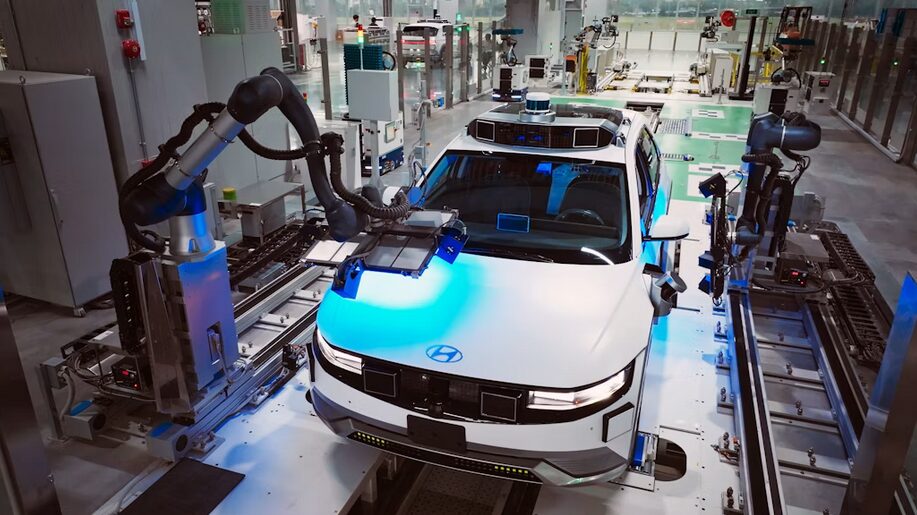
Car manufacturing is going through a major transformation, but it doesn’t look like a dramatic revolution from the outside. There are no explosions of change or overnight shifts in design. Instead, the industry is evolving quietly, powered by technology, sustainability goals, and changing consumer expectations. In 2026, the automotive world is very different from what it was just a decade ago. Factories are smarter, vehicles are more software-driven, and production lines are increasingly automated. Yet much of this change happens behind the scenes, invisible to the average driver. This quiet revolution is reshaping how cars are built, designed, and delivered to customers worldwide.
Automation Is Taking Over the Factory Floor
One of the biggest changes in car manufacturing is the rise of automation. Modern factories now rely heavily on robotics and AI-powered systems to handle tasks that once required large human workforces. Robots are assembling parts with extreme precision, while automated systems monitor quality control in real time. This doesn’t mean humans have disappeared from the process, but their roles have shifted toward supervision, engineering, and system management. The result is faster production, fewer errors, and more consistent quality across vehicles. It’s a subtle shift, but it has completely changed the pace and efficiency of manufacturing.
Software Is Becoming as Important as Hardware
Cars are no longer just mechanical machines. In 2026, they are increasingly defined by software. From navigation systems to autonomous driving features, much of a car’s functionality is now controlled by code. Manufacturers are building vehicles that can receive over-the-air updates, meaning performance and features can improve even after the car leaves the factory. This software-first approach is changing how engineers design vehicles from the ground up. Companies like Ford Motor Company and BMW Group are investing heavily in digital platforms, treating cars more like evolving tech products than static machines. This shift is blurring the line between the automotive and technology industries.
Electric Vehicles Are Reshaping Production Lines

The rise of electric vehicles has forced car manufacturers to rethink everything about how cars are built. Unlike traditional combustion engines, electric vehicles rely on batteries and simplified drivetrains, which require entirely different production processes. Factories are being redesigned to accommodate large-scale battery assembly and new electronic systems. This shift is not only technical but also structural, as entire supply chains are being reconfigured to support electric mobility. Companies like Tesla have helped accelerate this transition, pushing traditional automakers to adapt faster than they originally planned. As a result, the modern production line looks very different from what it did even five years ago.
Sustainability Is Driving Design Decisions
Environmental concerns are also playing a major role in the evolution of car manufacturing. Governments and consumers alike are demanding cleaner, more sustainable production methods. Automakers are now focusing on reducing emissions not just from vehicles, but from the manufacturing process itself. Factories are adopting renewable energy, recycling materials, and redesigning supply chains to minimize environmental impact. Even materials used in car interiors are changing, with more emphasis on recycled fabrics, plant-based alternatives, and low-impact production techniques. Sustainability is no longer a marketing angle. It has become a core requirement for staying competitive in the global market.
AI Is Changing How Cars Are Designed

Artificial intelligence is increasingly being used in the early stages of car development. Designers and engineers now use AI tools to simulate performance, test aerodynamics, and optimize safety features before physical prototypes are built. This reduces development time and lowers costs, allowing manufacturers to bring new models to market faster. It also enables more experimentation, as virtual testing removes many of the risks associated with traditional design processes. AI is not replacing human designers, but it is giving them more powerful tools to refine ideas and solve complex engineering challenges more efficiently.
Supply Chains Are Becoming More Localized
Another quiet but important shift is happening in global supply chains. Recent disruptions have encouraged manufacturers to rethink their reliance on long, international supply routes. Many companies are now moving toward regional production hubs to reduce risk and improve efficiency. This means more parts are being sourced closer to where cars are assembled, shortening delivery times and improving responsiveness. This shift is also helping manufacturers adapt more quickly to changes in demand, especially as vehicle technology continues to evolve rapidly.
The transformation happening in car manufacturing is not loud or obvious, but it is deeply significant. Automation, electric vehicles, software integration, sustainability, AI-driven design, and localized supply chains are all reshaping the industry from the inside out. What makes this revolution unique is that it is gradual and continuous rather than sudden.…


 characterized by slick road conditions especially when the temperatures are below the freezing point. You are therefore required to have your survival kit at all times in your car. This is useful when emergencies occur. Other essential items needed include additional boots and blankets, extra tire chains, gloves, flares, a flashlight, a portable cell phone charger or car charger, a whistle and an extra car battery.